

The good news is that this process is well-established and manageable. Boards approve rooftop projects regularly. The approval itself typically takes 1 to 2 months once a complete submission package is in front of the board. The challenge is that the timeline can stretch if you’re not prepared, if the board has competing priorities, or if specific elements of the design raise objections.
We help prepare the board submission package on most of our rooftop projects, so we’ve seen this process from the inside across dozens of buildings. This guide covers what boards typically require, what causes delays, how to handle the alteration agreement, and what you can do to keep the process moving.
What the board needs to see
The submission package for a rooftop project typically includes several components, and most boards expect all of them before they’ll schedule a review.
Scope of work with a construction schedule. This is a written description of what’s being built, how long the work will take, and the general sequence of construction. Boards want to understand what residents will experience: how many days of construction, what kind of work is happening on which days, and when the project will be finished. A clear, realistic schedule goes a long way toward making the board comfortable.
Logistics plan. This covers how materials will be delivered (freight elevator, crane, or both), where materials will be staged, how debris will be removed, and what common areas will be affected during construction. In buildings with shared elevators and limited storage, the logistics plan matters as much to the board as the design itself. Details like delivery times, elevator reservation schedules, and protection of hallways and lobbies show the board that you’ve thought through the impact on other residents.
Construction plans. These are the architectural and structural drawings that show what’s being built. The level of detail varies by building. Some boards want full architectural plans, others want a clear layout drawing with dimensions and material specifications. If structural work is involved, the board will typically want to see the structural engineer’s assessment and approval.
Insurance documents. The building will require a certificate of insurance from the contractor naming the building, its management company, and the board as additional insured parties. The required coverage limits vary by building. Manhattan high-rises typically require higher limits than smaller Brooklyn buildings, but every board requires this documentation before any work begins.
Alteration agreement. Most buildings require a signed alteration agreement between the homeowner and the building before construction can start. This is a separate document from the contractor’s insurance and the construction plans. It’s an agreement between you and your building about the terms under which the work will be performed.
The alteration agreement
The alteration agreement is the document that governs the relationship between the homeowner and the building during and after construction. Most co-op and condo buildings require one for any significant exterior or structural work, and rooftop projects almost always qualify.
Alteration agreements typically cover liability clauses that establish who is responsible for any damage to building common areas, the roof membrane, or neighboring units during construction. They set clear rules for the construction itself, including permitted work hours, noise restrictions, elevator usage, and logistics requirements.
The specific terms vary by building, and the alteration agreement is usually drafted by the building’s attorney or managing agent. Your attorney should review it before you sign. Some alteration agreements are straightforward; others are lengthy and include provisions that may need negotiation. Starting this process early gives you time to review the terms and work through any issues without delaying the construction timeline.
Security deposits
Most buildings require a security deposit before construction begins. The deposit is held by the building and returned after the project is complete and any common area damage (if any) has been addressed.
Deposits typically range from $1,000 to $5,000, though the amount varies by building. Some buildings set a flat deposit in their alteration agreement or house rules, while others charge a percentage of the total project cost. In buildings that use the percentage method, deposits can reach $20,000 or more on larger rooftop projects. The amount generally isn’t negotiable. It’s worth asking about the deposit structure early in the process so you can factor it into your project budget.
What causes delays
The most common delays in the board approval process have less to do with the proposed rooftop project and more to do with the board’s own schedule and priorities.
Board scheduling is the biggest factor. Co-op and condo boards meet on a set schedule, monthly in most buildings, sometimes quarterly. If your submission arrives just after a board meeting, it may sit for several weeks until the next one. And even when your project is on the agenda, the board may have higher-priority items to discuss first: roof leaks, building maintenance issues, budget matters, or other alteration requests ahead of yours. Your project review can get pushed to the next meeting simply because the board ran out of time.
Member objections are the other common source of delay. Individual board members may raise concerns about construction noise during certain periods (summer months, holidays), potential disruption to residents during the construction phase, or concerns about the visual impact of rooftop structures, particularly if the project includes elements visible from other units, like a tall pergola or privacy screen that could affect a neighbor’s view or light.
These objections rarely kill a project, but they can push the approval back by one or two meeting cycles while the homeowner addresses the concerns, whether by modifying the design, adjusting the construction schedule, or providing additional information that satisfies the objecting member.
What boards pay attention to most
Based on our experience preparing submission packages, the elements that draw the most board scrutiny aren’t always the ones you’d expect.
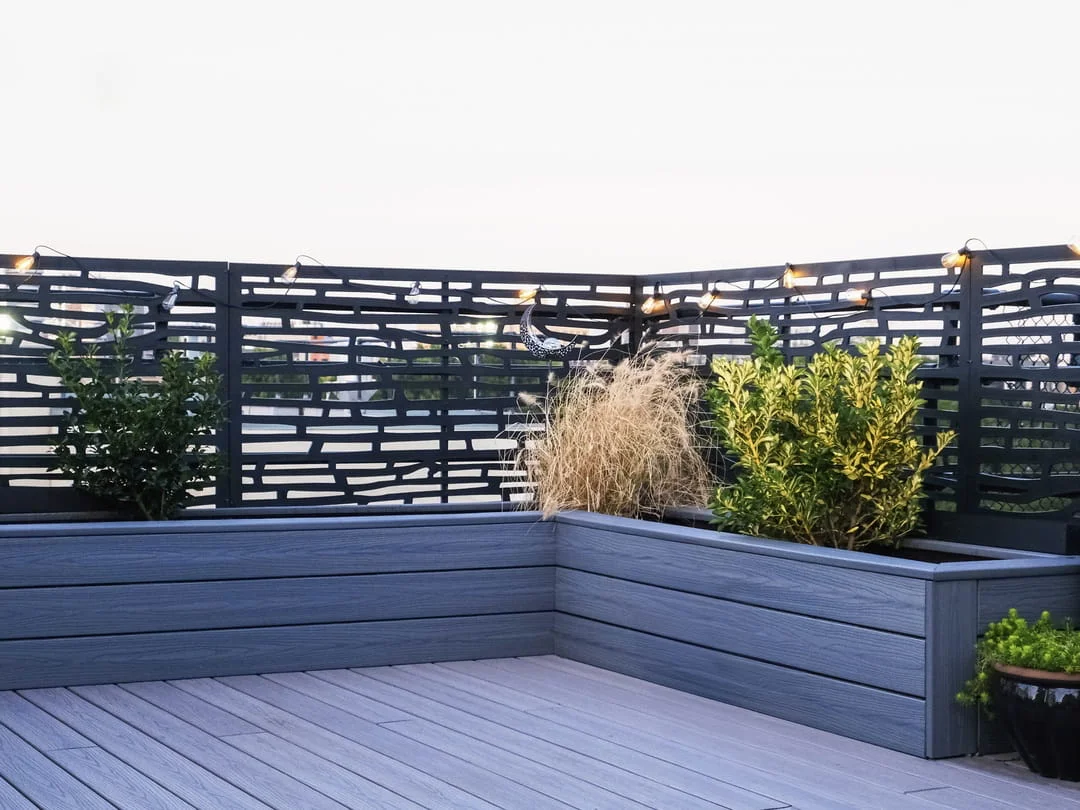
Planters consistently get the most attention. Large planters filled with soil and plants are among the heaviest items on a rooftop terrace, and boards are acutely aware of the weight implications. The number and size of planters can trigger a requirement for a structural engineer’s assessment to confirm that the roof can handle the additional load. If your design includes multiple large planters, be prepared for the board to ask for structural verification, so have that assessment ready as part of your submission rather than waiting for the board to request it.
Construction logistics are a close second. Boards want to know exactly how the project will affect other residents’ daily lives. How many elevator trips per day? What time will deliveries arrive? Will there be noise on weekends? How long will the project take? A detailed logistics plan that answers these questions proactively reduces the number of follow-up questions and conditions the board might impose.
Structural modifications of any kind receive careful review. If your project involves reinforcing the roof structure, adding steel supports, or modifying the building’s waterproof membrane, the board will want structural engineering documentation and may require that the building’s own engineer review the plans.
Anything that affects shared systems (drainage, electrical, water supply) will need clear documentation showing how the project connects to building systems without creating risk for other units.
Co-op vs. condo: is there a difference?
Homeowners often ask whether the approval process differs between co-op and condo buildings. Either one can be straightforward or complicated, but there is a structural difference worth understanding.
Co-op boards have broader discretionary authority. They can be more subjective in their review, ask for design changes, or veto a renovation for reasons that go beyond code compliance. If a co-op board decides they don’t want a pergola on the roof, they have the authority to say no, even if the structure meets every building code requirement.
Condo boards generally have less latitude. Most condo boards cannot deny a renovation unless it violates structural or building codes or conflicts with the building’s governing documents. That doesn’t mean condo approvals are effortless, but the board’s ability to impose subjective conditions is more limited. In practice, condos tend to move a bit quicker through the approval process.
That said, we’ve had smooth approvals in co-ops that moved faster than some condos, and vice versa. The specific building, the board’s disposition, and the managing agent’s process matter more than the legal structure alone. The advice is the same regardless of building type: submit a complete package, be responsive to questions, and don’t assume one structure is easier than the other.
How we help with board submissions
We help prepare the submission package for most of our rooftop projects. That means we provide the scope of work with a detailed construction schedule, the logistics plan covering deliveries, staging, elevator use, and debris removal, insurance certificates meeting the building’s specific requirements, and construction plans or material specifications as needed.
Your architect provides the architectural and structural drawings, and your attorney reviews the alteration agreement. We also help coordinate communication with the building’s managing agent, scheduling deliveries, confirming elevator access, and making sure the building has everything they need from us to keep the approval on track.
We’ve been through this process with enough buildings to know what boards look for and where submissions typically stall. Our goal is to make the package complete enough that the board can review and approve in a single meeting cycle rather than coming back with a list of missing documents that pushes the review to the next month.
Tips for a smoother approval
Based on what we’ve seen across dozens of board approvals, here’s what helps the process move faster.
Notify the board early. Even before your submission is ready, let the board or managing agent know that a rooftop project is being planned. This gives them time to schedule the review, pull the building’s alteration agreement template, and flag any building-specific requirements you should know about. Surprising a board with a full submission package at the last minute rarely goes well. Advance notice shows respect for the process and gives them time to prepare.
Prepare alternatives for likely objections. If your design includes elements that might draw pushback (tall structures, heavy planters, a construction schedule that overlaps with a holiday period), have alternative options ready before the board meeting. Being able to say “we can reduce the pergola height by a foot” or “we can shift the heavy construction phase to avoid the holiday weekend” demonstrates flexibility and makes it easier for the board to say yes.
Front-load the structural assessment for planters. If your design includes planters, get the structural engineer’s assessment done as part of the submission package. Don’t wait for the board to request it. Include it proactively. This eliminates one of the most common follow-up requests and shows the board that you’ve already addressed the weight concern.
Be realistic about the timeline. Board approval typically takes 1 to 2 months, but it can take longer if the board meets quarterly, if your submission needs revisions, or if objections need to be addressed. Build this timeline into the front end of your project schedule. If you want to be enjoying your rooftop by June, the board submission should be going in by February or March, not April.
Ready to start the process?
We build rooftop decks across NYC and help clients navigate the board approval process on most of our projects. If you’re considering a rooftop project and want to understand the full timeline, from board approval through DOB permits to construction, we can walk through it during a consultation.



-2.svg)